Oliver Mtukudzi
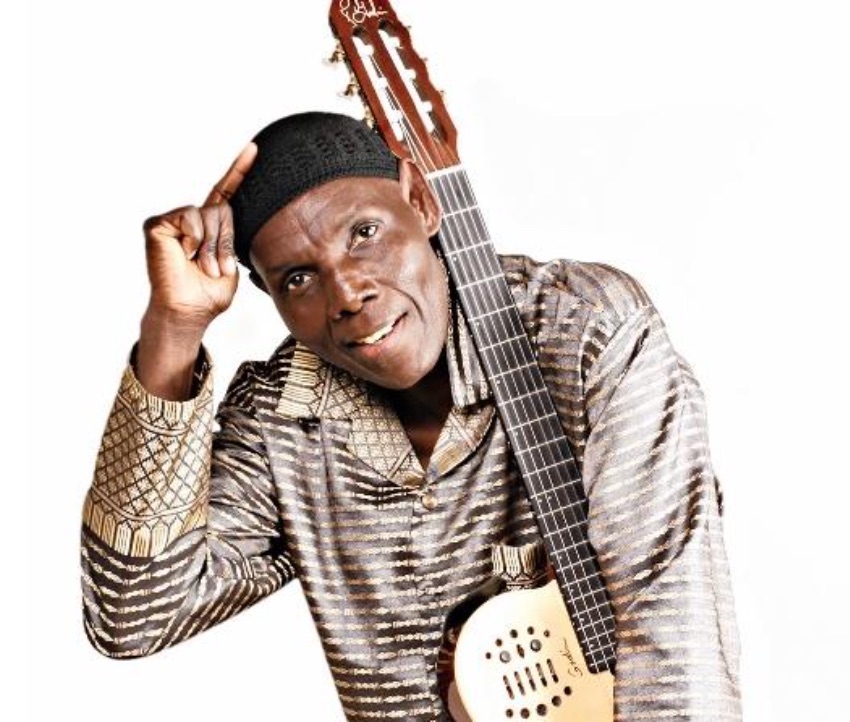
Oliver Mtukudzi, also known as "Tuku" (short for Mtukudzi) was a singer-songwriter, actor, writer, film director and entrepreneur. With over 60 albums to his name, he was one of Zimbabwe's top musicians and lead of the band The Black Spirits. His music was mainly in the Afro Jazz genre. Mtukudzi's career spanned 5 decades from the 70s to the 2010s, having started in 1975 when he did his debut single Stop after Orange. Mtukudzi had his own music label 'Tuku Music' which is also the name of his apparel label. Mtukudzi was a lead actor in the movies Jiti and Neria released in the 90s. Mtukudzi wrote and directed the live musical production Was My Child. Mtukudzi was one of the few Zimbabweans whose music has international appeal. Mtukudzi died on the afternoon of 23 January at Avenues in Harare, after being ill with diabetes. He was declared a National Hero by the Zanu-PF Politburo which meant that he could be buried at the National Heroes Acre. His family, however, decided to bury him at his rural home in Madziva. Following his death, the City of Harare, announced that it would rename Willowvale road to Oliver Mtukudzi road. Mtukudzi was born on the 22nd of September 1952 in Highfield, was the first born in a family of seven siblings. His parents both sang and actually met at a competition of church choirs. His parents continued to sing and compete amongst themselves (parents) and drew in Oliver and his siblings as the judges. This musical environment drew him to music. Mtukudzi developed a sense of social and economic responsibility early in life due to the premature death of his father. He had four sisters and one brother. Mtukudzi’s music career started at the age of 23 with the 1975 release of his debut single, Stop After Orange. It's been stated widely, including on Mtukudzi's own website that in 1977 he teamed up with Zimbabwe top musician, Thomas Mapfumo, at a famous band called Wagon Wheels that being his official entry into the Zimbabwean music industry. With the Wagon Wheels, Mtukudzi recorded Dzandimomotera, a song inspired directly by the Second Chimurenga. Dzandimomotera depicted the black man’s life struggles under the white minority government. One account says Mtukudzi left the group in 1978 to form his own group The Black Spirits and released the album Ndipiweo Zano. The Album was a hit. Mtukudzi said he intended to use the name Wagon Wheels with the new group but the Wagon Wheels managers found other musicians to continue with the band, which forced Mtukudzi to find a new name for his band. Mtukudzi took several of the Wagon Wheels musicians with him to The Black Spirits. With the Black Spirits, Mtukudzi recorded many albums including Africa which was done at the country's Independence in 1980 and included two hit songs, Zimbabwe and Mazongonyedze. The album was regarded as one of the most important albums of its time. The Black Spirits been described as ‘a group of rag-tag young stylish ghetto boys who were to become a sure force on the music scene, progressing into a household name in the ensuing years’. Mtukudzi split with The Black Spirits in 1987 for two years, a period during which he sang with other backing groups like Kwekwe based Zig Zag Band. In the 90s Mtukudzi's music started taking him beyond the borders. He performed at a number festivals in Africa (especially South Africa) as well as other continents. During this time Mtukudzi hired a new manager, Debbie Metcalfe to help him with his contracts, revamp his business strategies and firmly established the Tuku Music brand. A South African musician Steve Dyer helped produce his first album under this brand and the album was called Tuku Music. This album is widely considered as having re-launched Mtukudzi's music career. Metcalfe is credited by many for Mtukudzi's success, especially his international. Metcalfe remained Tuku Music Manager until 2009 when she and several members were dropped from the group.
Afro Jazz
Albums
Tracks
Featured In
- Lost Tapes — Pane Rudo
- Non Stop!!! — Kwedu