Women in ZimDancehall: The Artists, Sound and Future of the Scene
Meet some of the women who shaped ZimDancehall, hear their music and explore the opportunities and challenges ahead.
By beatbarrow
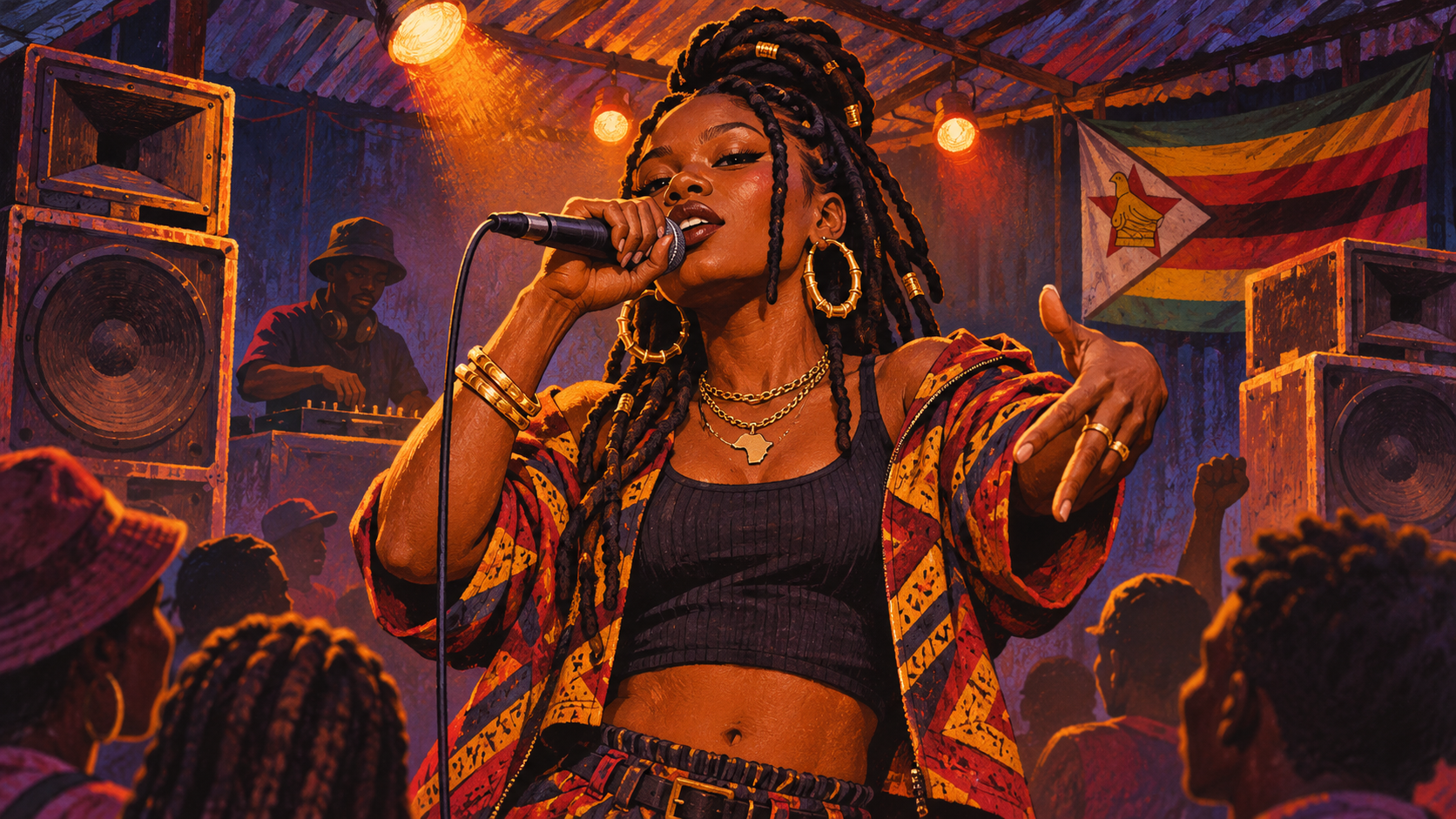
From sound-system clashes to streaming releases, women have helped shape ZimDancehall while navigating a music industry where visibility and opportunity are uneven. Their stories reveal a scene with many voices, influences and ambitions.
The women who helped shape the sound
Lady Squanda and Bounty Lisa are among the best-known women associated with ZimDancehall’s rise in the 2010s. In 2013, both appeared alongside Lady B on the bill for the Dancehall Cup Clash, a reminder that women were claiming space on competitive stages as the scene grew.
Lady Squanda became known for songs including “Cracker” and “Rudo”, while Bounty Lisa found an audience with “Basa Rangu”. Ninja Lipsy, Queen Kadjah, Juwela and Nisha Ts are among the other artists who have contributed to the movement across different periods. This is a starting point for listening, not a ranking or a complete list.
Finding a voice in a competitive scene
ZimDancehall draws on Jamaican dancehall’s riddims, vocal styles and sound-system culture, while reflecting Zimbabwean languages and experiences. Clashes and live performances offered artists a place to test their delivery and connect with audiences. Women built their careers in that same competitive environment, even as they faced obstacles to being heard and sustaining their visibility.
The sound is too varied to reduce to one formula. A song might use a forceful chant, a melodic hook or both; lyrics can move between Shona, English and Jamaican-influenced expressions. Artists choose their own subjects and voices, from relationships and self-belief to faith and social concerns.
Collaboration and crossover
Features can bring artists and audiences together across genres. One example is “Vanondibatirana”, gospel musician Fungisai Zvakavapano-Mashavave’s collaboration with Killer T. Released in 2016, it brought her established gospel voice into conversation with ZimDancehall.
Support also takes forms beyond a guest verse. In 2022, Bounty Lisa said she had opened a studio that would help women struggling to access recording time, while also welcoming male artists. Initiatives like that can give emerging musicians another route to developing their sound.
The challenges that remain
Making a breakthrough and sustaining a career are different challenges. Artists need access to studios, promotion, airplay, bookings and audiences over time. Reporting on the scene has highlighted the difficulty women face in gaining the same visibility and backing as prominent male artists; individual experiences and opportunities vary.
Streaming and social platforms give musicians ways to reach listeners directly, including Zimbabweans abroad. They do not automatically solve the problems of promotion, income or access to live stages, but they can make it easier for a listener to find an artist and follow a new release.
Where to start listening
Try Lady Squanda’s “Cracker” or “Rudo”, Bounty Lisa’s “Basa Rangu”, and Fungisai’s “Vanondibatirana” featuring Killer T. Then explore artists such as Ninja Lipsy, Queen Kadjah, Juwela and Nisha Ts to hear more of the scene. Availability can differ between services and locations.
On beatbarrow, explore the ZimDancehall genre page and search for artists by name. You can also check artist pages on other streaming services and follow the musicians whose work you enjoy. Sharing songs, attending shows and buying music where available are practical ways to support them.
A few questions about women in ZimDancehall
Who was the first female ZimDancehall artist?
There is no clear, universally documented answer. Lady Squanda is an influential early figure, but it would be difficult to name one woman as the first without a fuller historical record.
Is ZimDancehall the same as Jamaican dancehall?
ZimDancehall draws on Jamaican dancehall traditions, but Zimbabwean artists have developed their own approaches through local languages, production and subject matter.
What languages do artists use?
Songs may include Shona, English and Jamaican-influenced expressions, among other choices. The mix varies by artist and track.
Where can I find the music?
Search for individual artists on beatbarrow and other music services, and check their official channels for releases and performance updates. Catalogues and free listening options vary by platform and region.