ZimDancehall vs ZimHipHop: What’s the Difference?
Explore the rhythms, voices and cultures that shape two of Zimbabwe’s most influential music scenes.
By beatbarrow
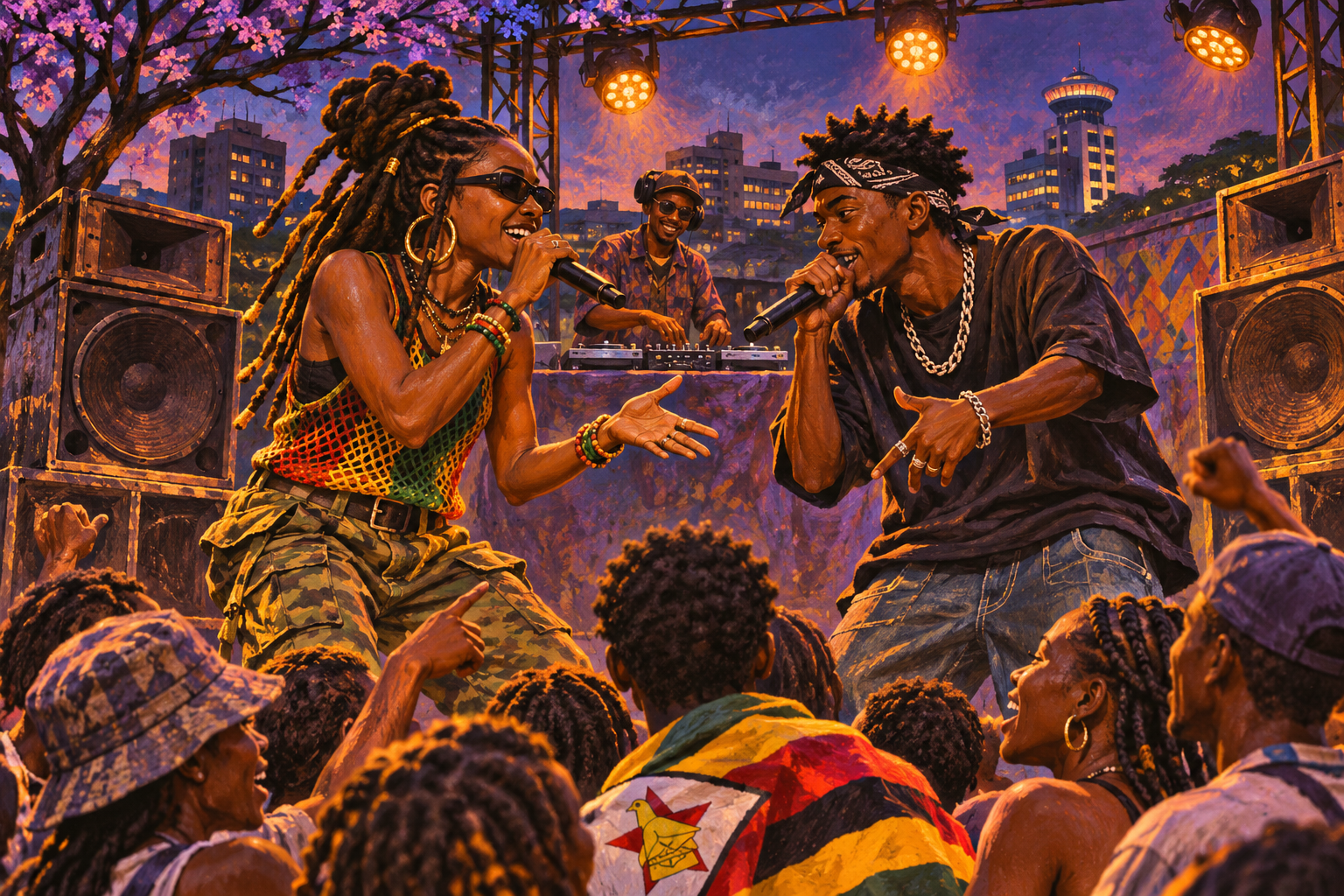
ZimDancehall and ZimHipHop bring different musical traditions into conversation with Zimbabwean life. One draws strongly on dancehall riddims and sound-system culture; the other grows from hip-hop beats, rap and a broader culture of MCs and DJs. Both have developed local voices, and the boundary between them is often open to experimentation.
Where did the two sounds come from?
ZimDancehall grew from a long history of Jamaican reggae and dancehall in Zimbabwe. Local artists and producers adapted those influences, creating music rooted in Zimbabwean languages and experiences. Sound systems, studios and shared riddims helped the scene grow.
Zimbabwean hip-hop also has roots stretching back decades. Artists made their own versions of a global hip-hop culture and brought local languages, stories and musical ideas into the mix. Its history is connected to urban grooves, although hip-hop in Zimbabwe did not simply begin with that movement.
Riddims, beats and vocal delivery
A useful place to start is the riddim: an instrumental track that several dancehall artists may voice with different lyrics and melodies. Listen for the bass, percussion, rhythmic chanting and hooks. Not every ZimDancehall song follows the same pattern, but shared riddims are an important part of the culture.
ZimHipHop often puts rap verses, flow and wordplay over hip-hop production. Its beats can draw on boom bap, trap and other styles; producers may also incorporate local melodies and instruments. Some tracks are sparse and lyric-driven, while others favour singing, heavy bass or dancefloor energy.
Neither genre has a single tempo or sound. A rapper can use a dancehall rhythm, and a dancehall artist can bring rap phrasing to a track. Listening to the drums, vocal phrasing and production together is more useful than looking for one rule.
Language and storytelling
Both scenes use Zimbabwe’s languages in varied ways. You might hear Shona, Ndebele, English, Jamaican-influenced expressions or a mix within a song. ZimHipHop is not necessarily English-led, just as ZimDancehall is not limited to one local language.
Artists in both genres write about relationships, ambition, faith, hardship, celebration and social issues. Dancehall hooks can invite a crowd to sing along; rap verses can make room for intricate rhyme and storytelling. Those are tendencies, not limits: both styles can be personal, political, melodic and playful.
Clashes, cyphers and live shows
ZimDancehall has close ties to sound systems and clashes, where performers or crews compete for a crowd’s response. In hip-hop, cyphers and freestyle sessions give MCs space to trade verses and show their skills. Both scenes also reach audiences through concerts, festivals, radio, videos and online releases, and many listeners enjoy both.
How artists reach listeners
Shared riddims can introduce a dancehall artist to fans already following a producer or other voices on the same instrumental. Hip-hop artists may build audiences through singles, mixtapes, freestyles and collaborations. In either scene, there is no guaranteed route to a breakthrough: a song, performance or feature can open a door, but sustaining a career takes continued work and support.
Artists may earn from live performances, streaming, licensing and other opportunities. Income varies with audience size, agreements and access to paid work, so there is no reliable answer to which genre pays better.
Where the genres meet
Producers and vocalists do not have to stay in one lane. A dancehall track might use trap-inspired percussion or bass, while a rapper might work with a dancehall producer or deliver a verse over a riddim. Collaborations and shared audiences give both scenes room to keep changing.
Explore the music on beatbarrow
To hear the difference for yourself, browse beatbarrow’s ZimDancehall and ZimHipHop pages. Follow the artists who catch your ear, then compare a few tracks: listen for the beat, how the voice sits on it and the way each song builds its hook. Availability depends on the music in the catalogue.
Frequently asked questions
Is ZimDancehall the same as Jamaican dancehall?
ZimDancehall draws on Jamaican dancehall traditions, but Zimbabwean artists and producers have developed a local scene with their own languages, experiences and musical influences.
Can an artist make both ZimDancehall and ZimHipHop?
Yes. Artists can work across genres or combine elements of both. The best starting point is the sound and approach that suits the song.
Which language is used in ZimHipHop?
There is no single language. Zimbabwean rappers use Shona, Ndebele, English and other languages, sometimes switching within a track.
Which genre pays better?
There is no dependable genre-wide answer. Earnings depend on the artist’s audience, performances, distribution, rights and individual agreements.
How is Sungura different from ZimDancehall?
Sungura is often associated with interlocking guitar lines and live bands, while ZimDancehall draws strongly on dancehall riddims and vocal styles. Both are diverse Zimbabwean music scenes, and artists can draw on more than one tradition.